Written by Georgina Giebner on 9th September, 2026
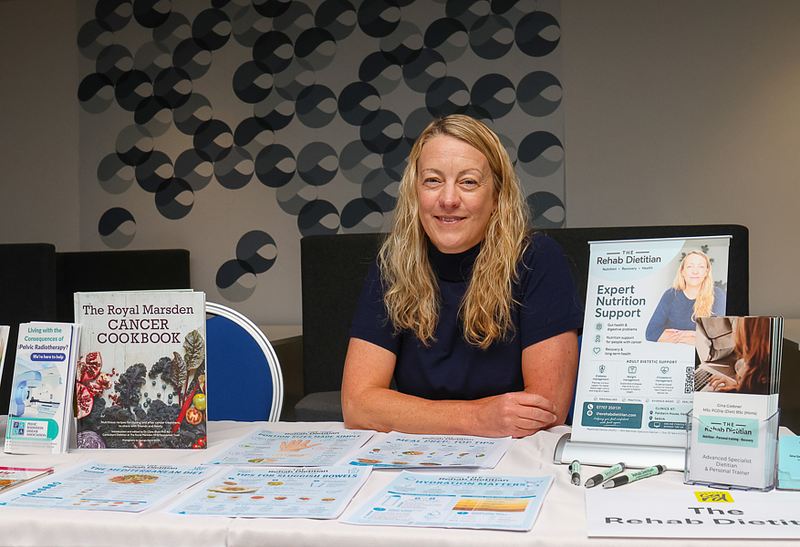
The Rehab Dietitian, Georgina Giebner, kept meeting people who were struggling with the consequences of cancer treatment.
Cancer became a particular focus for me because I repeatedly met people who had successfully completed treatment but were left struggling with the consequences - poor appetite, weight loss, fatigue or distressing bowel symptoms that affected their confidence, relationships, work and ability to leave the house. Many had been told that these problems were simply something they had to live with, even when there were identifiable and treatable causes.
As a dietitian specialising in both gastroenterology and oncology, I could see how important it was to bring these two areas together. Cancer surgery, radiotherapy, chemotherapy, immunotherapy and hormone treatments can all change how the digestive system works, sometimes long after treatment has finished. Helping someone understand what is happening, enjoy food again and regain some control over their daily life can make an enormous difference to their recovery and quality of life. That is what continues to drive my work: making sure people are supported not only to get through cancer treatment, but to live as well as possible during and after it.
Cancer treatment can affect much more than the part of the body being treated. Surgery, chemotherapy, radiotherapy, immunotherapy and hormone therapy may all influence appetite, digestion, bowel habits, muscle strength and energy levels.
After treatment, it is understandable to want to “eat healthily” again. However, recovery nutrition is not about following a perfect diet, buying expensive supplements or completing a detox. It is about giving your body the energy, protein, fluid and nutrients it needs - while choosing foods your digestive system can comfortably manage.
For many people, a Mediterranean-style way of eating provides a helpful long-term framework. The good news is that you do not need to live beside the Mediterranean to follow it. Many familiar and affordable Scottish foods fit beautifully into this approach.
The Mediterranean diet is based on the traditional eating patterns of countries around the Mediterranean Sea. It includes plenty of:
It is not a strict diet with complicated rules. It is better thought of as a flexible pattern of eating that focuses on variety, minimally processed foods and healthy fats.
A Scottish version might include porridge oats, berries, root vegetables, lentil soup, beans, wholegrain bread, rapeseed oil, natural yoghurt and locally available fish such as salmon or mackerel.
The gut has many jobs. It digests and absorbs food, supports the immune system and is home to trillions of microorganisms, collectively known as the gut microbiome.
Cancer treatment can temporarily or permanently change how the digestive system works. Some people develop diarrhoea, urgency, constipation, excessive wind, bloating, reflux, nausea or difficulty tolerating particular foods.
Eating a varied diet can support the gut microbiome, but there is no single “superfood” that repairs the gut. Different plant foods provide different types of fibre and natural plant compounds, so variety matters more than relying on one fashionable ingredient or supplement.
However, increasing fibre is not appropriate for everyone immediately after treatment. Your starting point should always be based on your symptoms, treatment and individual medical advice.
Recovery takes energy. If you have lost weight, have a poor appetite or are struggling to maintain your strength, eating enough must be the first priority.
This may mean having smaller meals and snacks every two to three hours rather than trying to manage three large meals. Include a source of protein each time you eat, such as:
Protein helps the body maintain and rebuild muscle and supports healing. If your appetite is limited, softer options such as scrambled eggs, yoghurt, milky porridge, soup containing lentils or chicken, fish pie and nourishing smoothies may be easier to manage.
If you have unintentionally lost a significant amount of weight, do not try to lose weight or make your diet lower in fat without discussing this with your healthcare team or a dietitian.
If your bowel is settled, gradually increasing the number and variety of plant foods you eat can be helpful for gut health.
You might begin by adding one manageable change at a time:
Cooked, peeled, mashed or blended fruit and vegetables are often easier to tolerate than large salads or raw vegetables. Tinned and frozen vegetables are nutritious, convenient and frequently less expensive than fresh produce.
Increase fibre slowly and drink enough fluid alongside it. A sudden jump from a low-fibre diet to large portions of bran, raw vegetables, beans and seeds is likely to cause discomfort - even in someone who has not had cancer treatment.
Small changes made regularly are more useful than trying to change everything at once.
Try:
There is no need to ban favourite foods. The overall pattern of your diet is more important than an occasional pudding, takeaway or bacon roll.
Healthy fats provide energy and can support heart health. This can be particularly relevant after treatments that affect weight, cholesterol or blood sugar.
Useful choices include olive oil, rapeseed oil, nuts, seeds, nut butters and oily fish. Aim to include oily fish, such as salmon, mackerel, sardines or trout, once or twice a week if you enjoy it.
However, some people develop diarrhoea or urgency after treatment because they do not absorb fat or bile acids normally. If fatty meals repeatedly make your symptoms worse, seek professional advice rather than removing all fat from your diet. Conditions such as bile acid diarrhoea or pancreatic enzyme insufficiency may require investigation and specific treatment.
Probiotic products contain selected live microorganisms, while prebiotics are types of fibre that feed certain gut bacteria.
Some people may find live yoghurt or fermented foods helpful, but probiotics are not essential for rebuilding gut health and different products have different effects. They should not replace a varied diet or appropriate treatment for ongoing bowel symptoms.
Check with your cancer team before using a probiotic supplement if you are immunosuppressed, have a central line, are receiving intensive treatment or have been advised to follow a low-microbial diet.
Advice to eat more wholegrains, beans and vegetables is not suitable for every person at every stage of recovery.
You may need an adapted or temporarily lower-fibre diet if you have:
Depending on your symptoms, softer sources of soluble fibre - such as porridge oats, ripe banana, peeled stewed fruit and well-cooked root vegetables - may be easier to manage. Some people will need specialist advice about the amount and type of fibre that is safest for them.
Do not persist with foods that cause significant symptoms simply because they are described as healthy. A suitable diet should support both your nutrition and your quality of life.
If your gut feels unpredictable, record what you eat and drink alongside your symptoms for one or two weeks. Note:
This can help identify patterns, but be careful about removing multiple foods without professional support. Symptoms after cancer treatment are not always caused by food intolerance.
Ongoing diarrhoea, urgency or bloating may be linked to treatable conditions such as bile acid diarrhoea, pancreatic enzyme insufficiency, bacterial overgrowth, constipation with overflow or the effects of pelvic radiotherapy.
A gentle Mediterranean-style day could look like:
Breakfast: Porridge made with milk or fortified soya milk, topped with stewed berries and natural yoghurt.
Lunch: Homemade lentil and vegetable soup with wholegrain bread and cheese - or white bread if this is currently better tolerated.
Snack: Banana with smooth peanut butter, or Greek yoghurt with soft fruit.
Evening meal: Baked salmon, mashed or boiled potatoes and well-cooked carrots or green beans, with a little rapeseed oil.
Supper, if needed: Oatcakes with cheese, or a milky drink.
Portions and textures can be adjusted to your appetite and digestive symptoms.
Contact your healthcare team if you develop new or worsening diarrhoea, bleeding, persistent vomiting, severe abdominal pain, a swollen abdomen, inability to pass wind or stool, signs of dehydration, continuing weight loss or difficulty eating.
You should also seek advice if bowel symptoms are regularly restricting your diet or stopping you from working, travelling, exercising or socialising. You do not simply have to accept these symptoms as the price of having completed cancer treatment.
Supporting your gut and recovery is not about achieving a perfect Mediterranean diet overnight.
Begin with what your body can manage. Eat regularly, include protein, maintain hydration and gradually introduce a wider variety of plant foods where tolerated. Scottish staples such as oats, berries, lentils, root vegetables, rapeseed oil, yoghurt and oily fish can all form part of a nourishing Mediterranean-style pattern.
Most importantly, persistent digestive problems deserve proper assessment. Personalised advice can help you move beyond unnecessary restriction and find a way of eating that supports your recovery, strength and enjoyment of food.
https://www.wcrf.org/living-well/eating-well/budget-recipes/
My favourite https://https://www.wcrf.org/living-well/eating-well/recipes/bean-chilli
Georgina Giebner RD is an advanced specialist gastrointestinal and oncology dietitian and Director of The Rehab Dietitian. She has more than 20 years’ experience and specialises in digestive and nutritional problems during and after cancer treatment.
https://therehabdietitian.com/
https://www.facebook.com/therehabdietitian
https://www.linkedin.com/in/georgina-giebner-35499026/
https://www.instagram.com/rehabdietitian
Download a free A4 poster that provides diet tips and advice.
This article provides general information and is not a replacement for personalised medical or dietetic advice.